

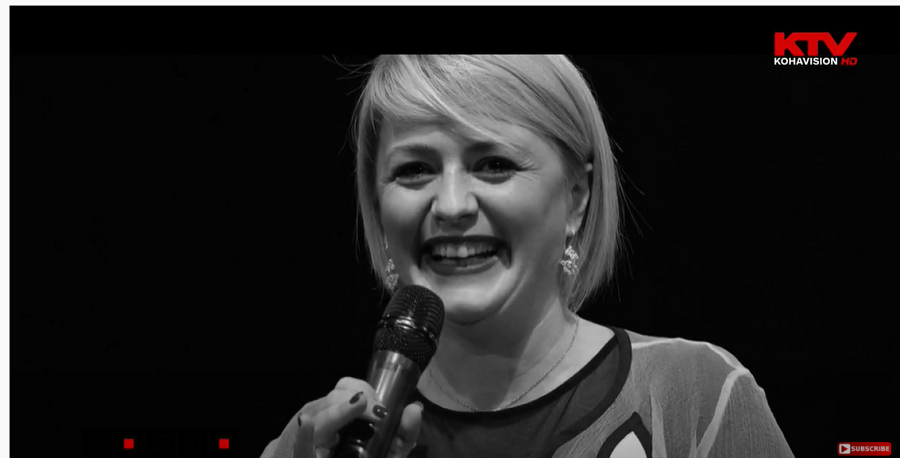
By: Rexhep Maloku
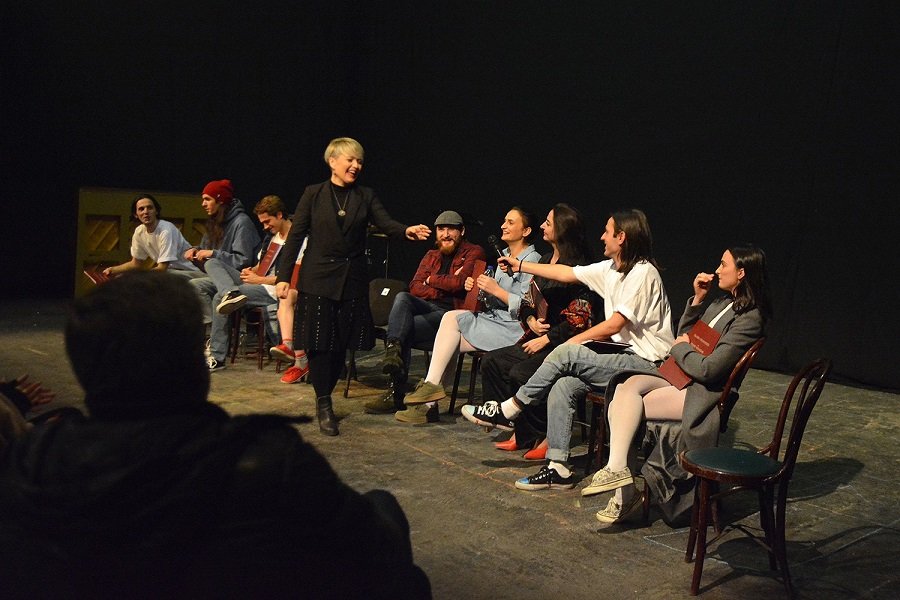
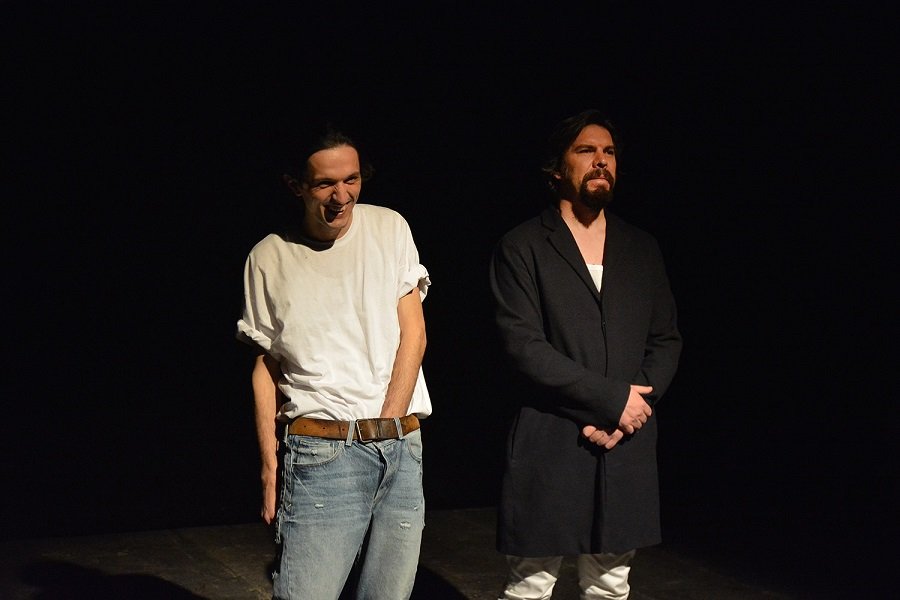
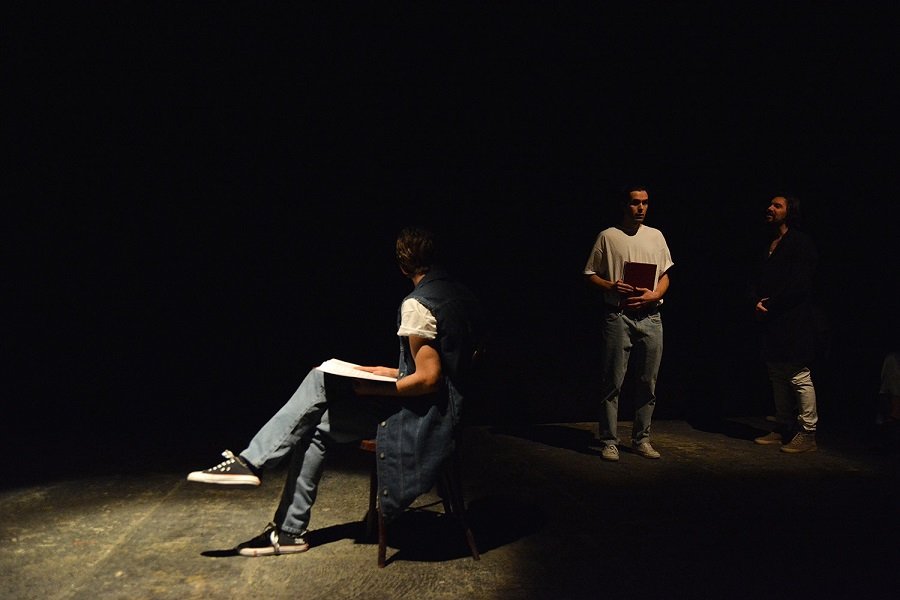
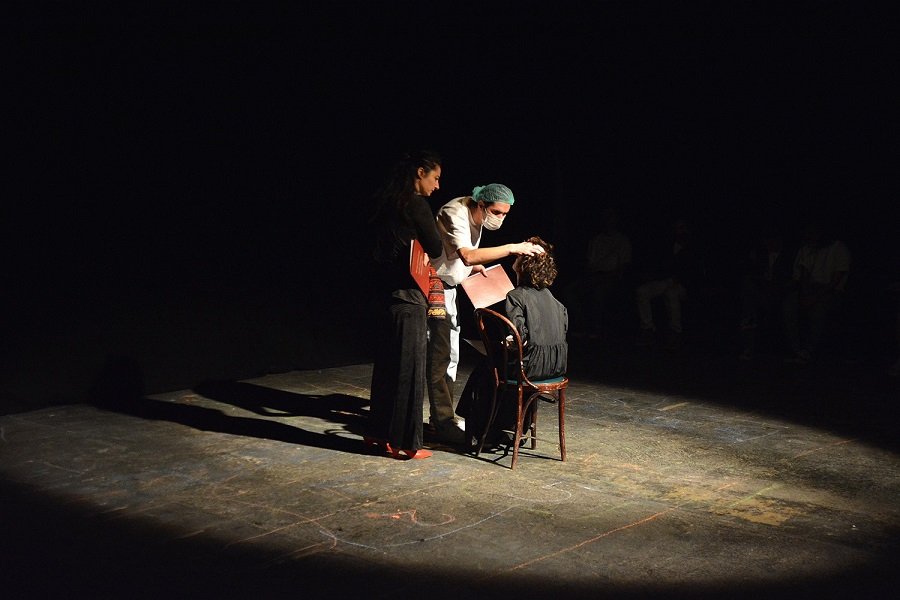
“It is part of my identity,” says director Zana Hoxha. Since her student years, she has been accompanied by a combination of theatrical creativity and civic volunteerism. On the theater stage, she has often intertwined social causes, especially those focused on protecting women’s rights. Messages for change have been conveyed through art, which she has also transformed into a means of honoring the sacrifices of women and activists of the 1990s.
“First and foremost, Zana is a strong feminist, and through her work she fights for the rights of women and girls, something she has proven many times,” says Igballe Rogova, Executive Director of the Kosovo Women’s Network.
“Zana is a strong woman, but at the same time she is sensitive; she feels for and stands in solidarity with others who need her support,” emphasizes Venera Ismaili from Artpolis.
“…but this is Zana — she doesn’t like being second, she likes achieving things to perfection, both in life and professionally. Her work as a human rights activist, her extraordinary work with FemArt, where the professional and humanitarian aspects come together, makes Zana very special — a model, I would say, of the Albanian woman as we would like to see her,” actor Adrian Morina highlights.
These are the words of some of her closest friends and collaborators, reflecting both Zana Hoxha’s activism and her work as a theater director. Throughout her life, she has balanced civic volunteer engagement with the pursuit of professional ambitions in theater. That is where she feels most at home. Her message has always been a call for change.
The Chest as a Call for Change
The biggest turning points in her career are also connected to Kosovo’s historical transformations.
For these moments, Zana drew inspiration from her grandmother Hedije, a woman of strong character.
“My grandmother had an interesting life story. She never got tired of sharing her stories with me. She was a role model for how to accept people whom society judges, excludes, or sees as different,” Hoxha proudly recalls in her office in Prishtina. Its walls are filled with reminders of different periods in her life, each carrying its own story.
“Whether they were people from other communities, people with different preferences, or people with different lifestyles for that time — my grandmother was known as someone who embraced all these differences, who neither judged nor rejected others.”
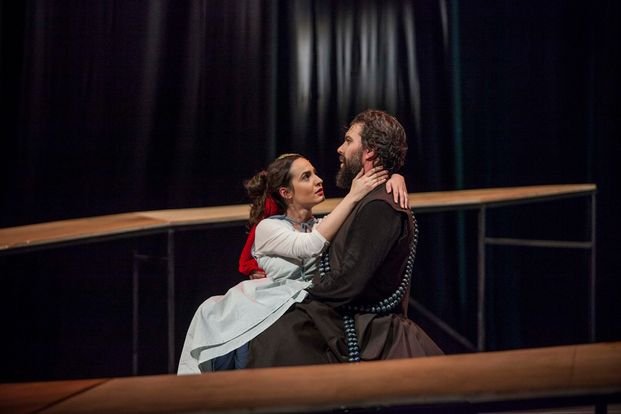
She brought her grandmother’s chest from Gjakova to Prishtina. It even became part of theater performances. The chest represents her family’s past and constantly reminds her that the future must be built in the present.
The awards on her walls recognize her achievements, but she speaks with greater affection about her grandmother’s treasure.
“It was her dowry chest. She had others too and left behind other parts of her legacy, but I specifically asked for this one because it was also part of her mother’s heritage,” Hoxha says, gently touching the corner of the chest with her hand.
“For me, it is a reminder of where I come from, because we come from a particular culture and circumstances. I come from Gjakova, which is a very matriarchal city. It’s very normal there to see capable women leading — not only families, but businesses as well. I grew up with the model of women as leaders.”
Documenting the Horror of War
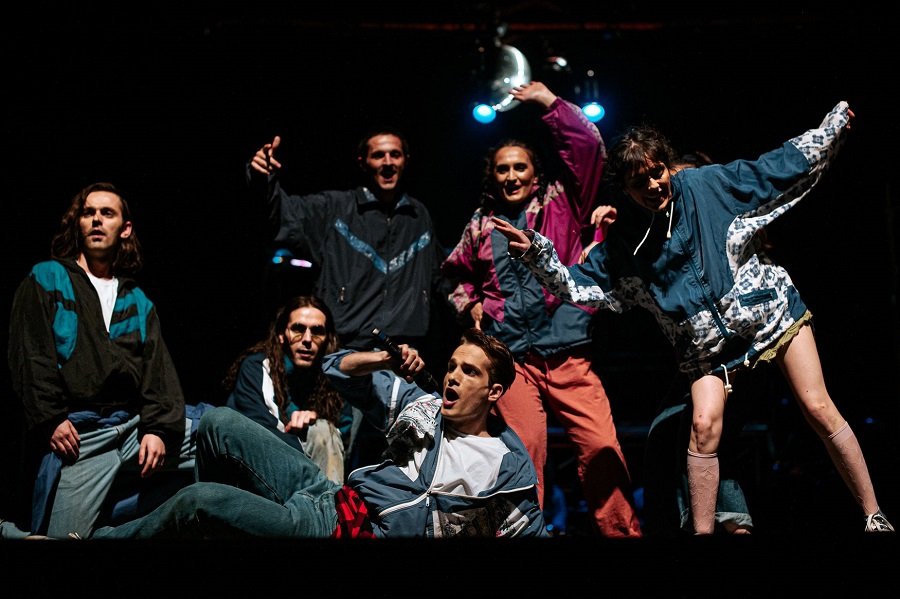
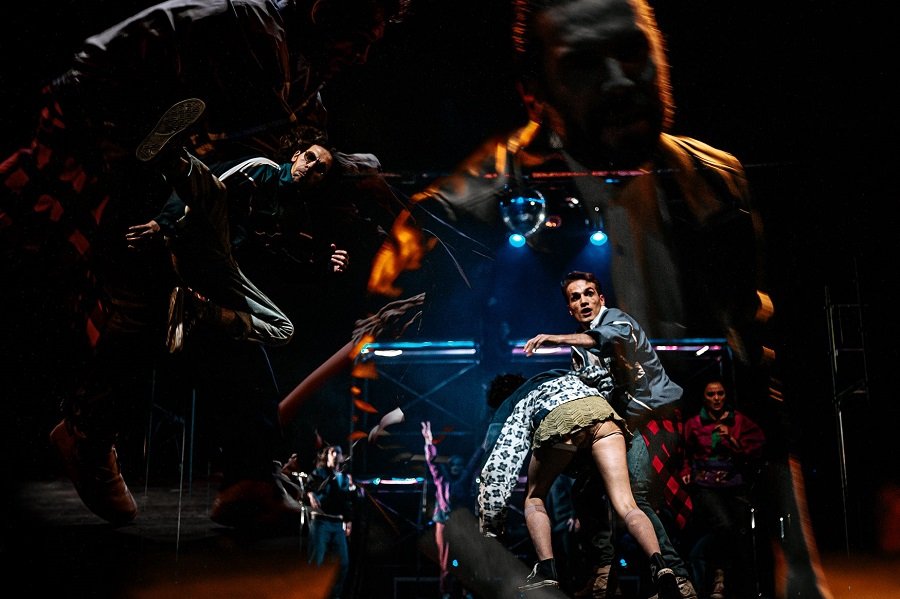
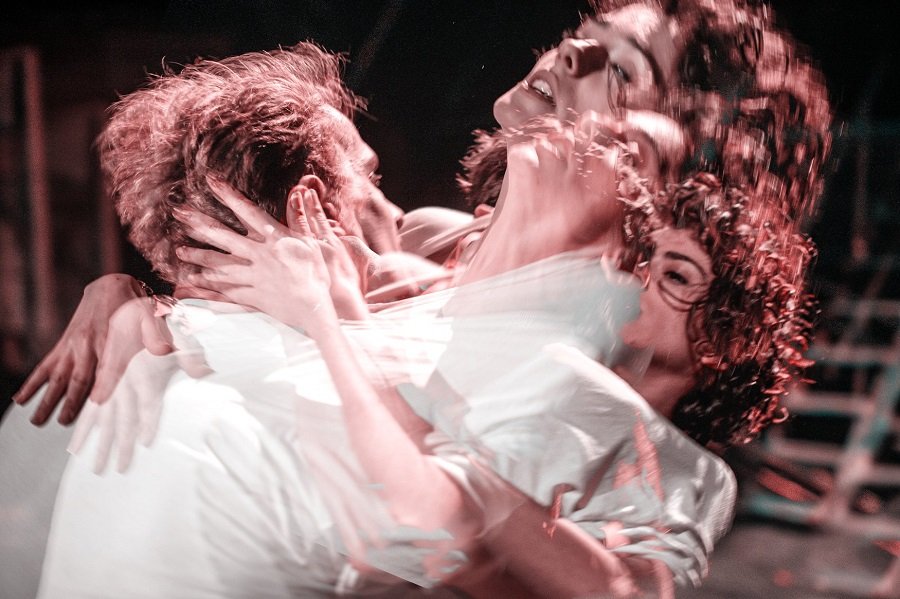
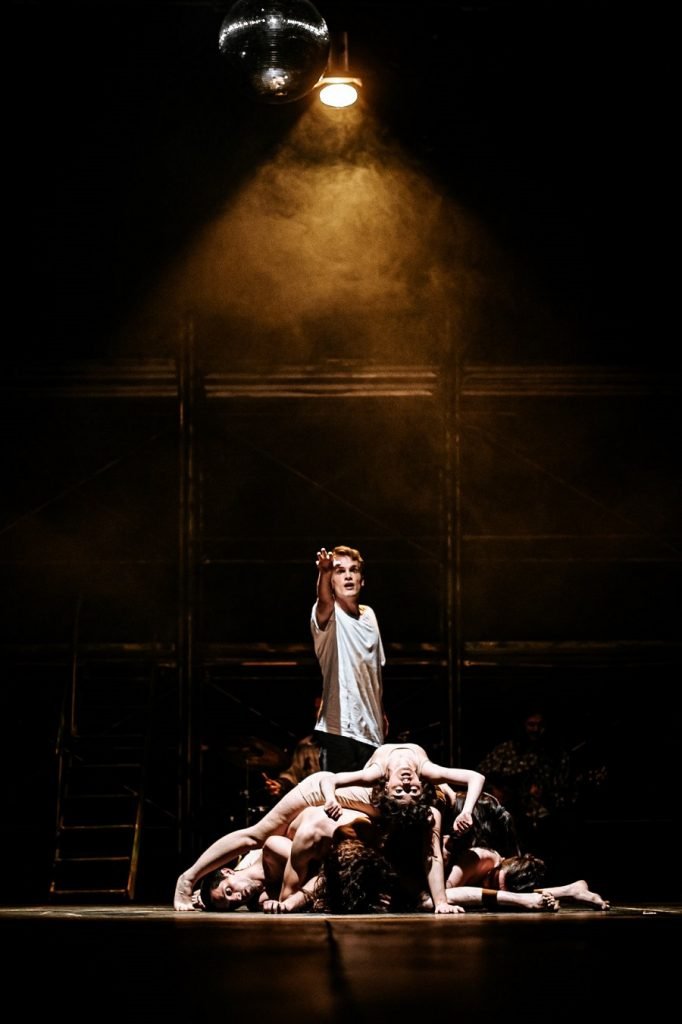
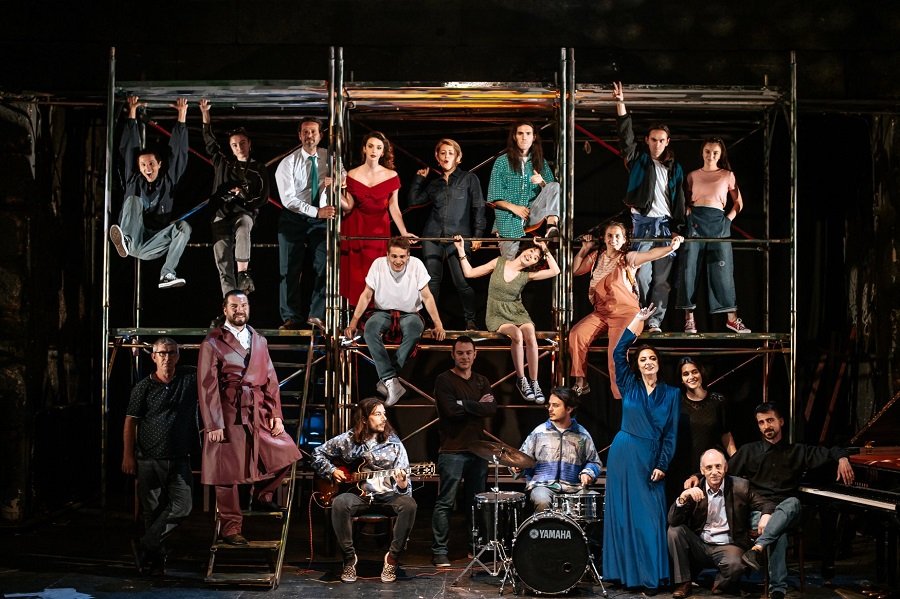
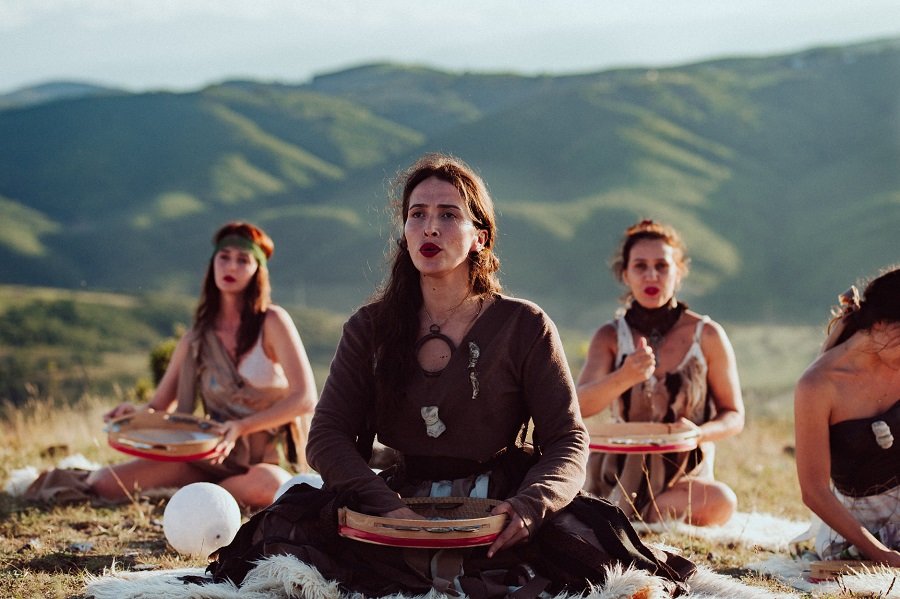
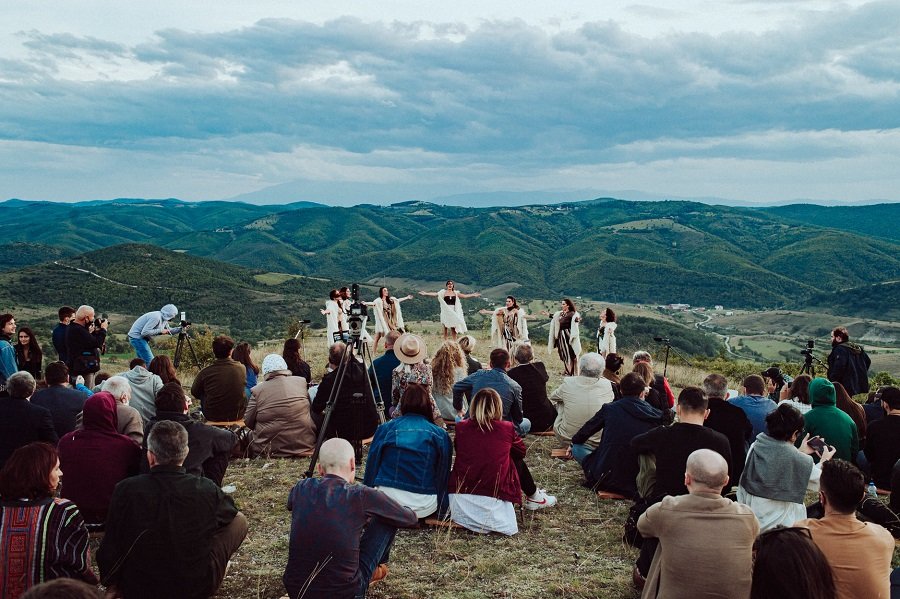
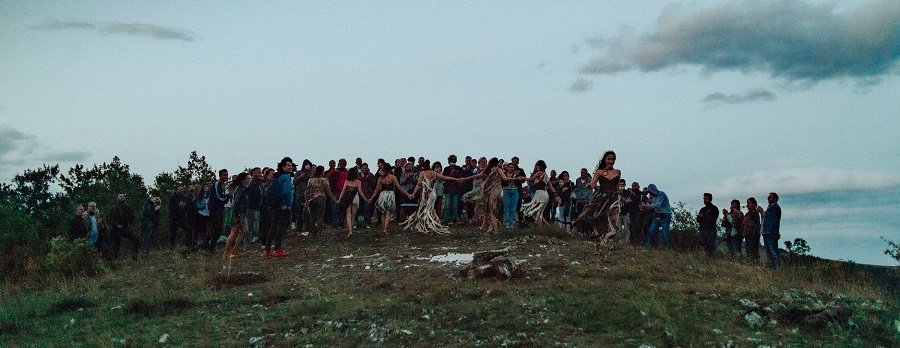
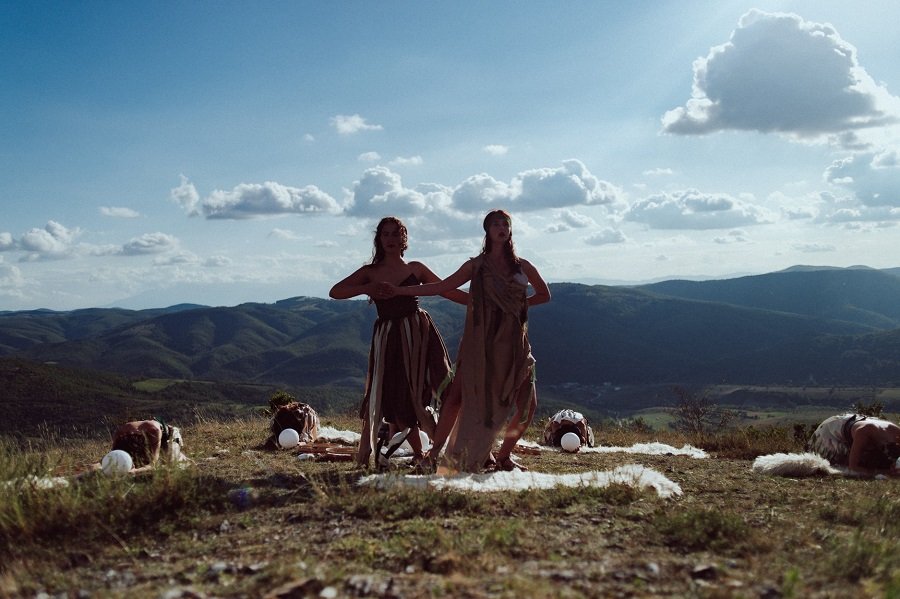
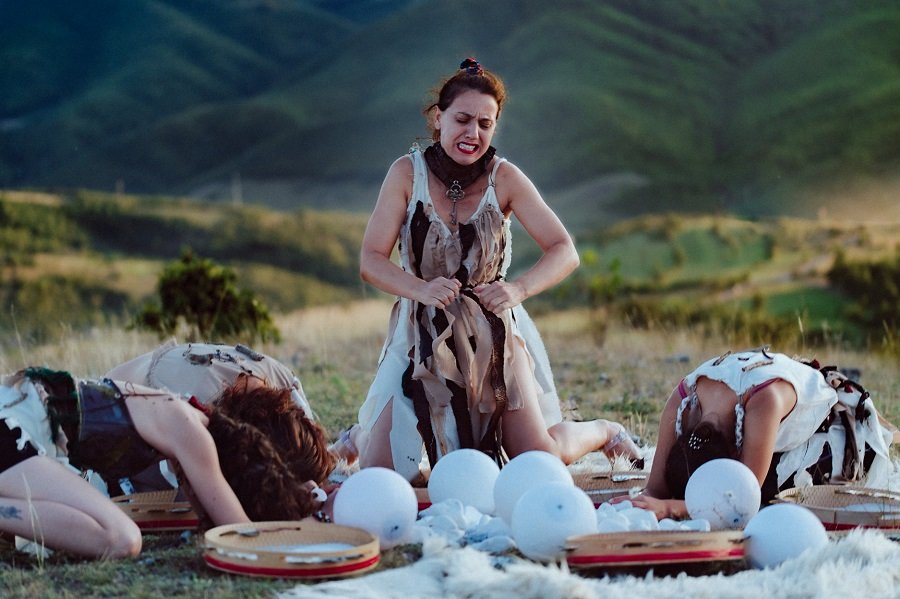
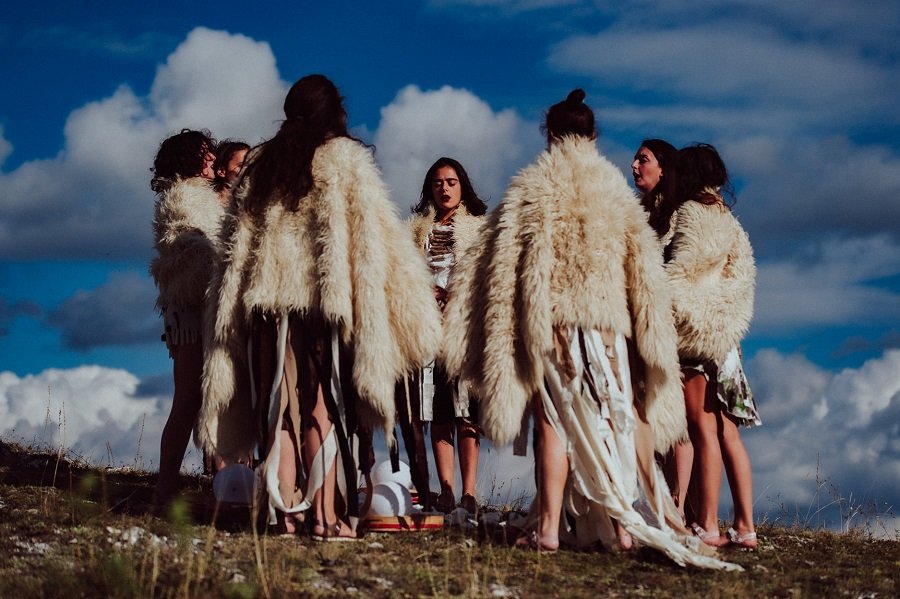
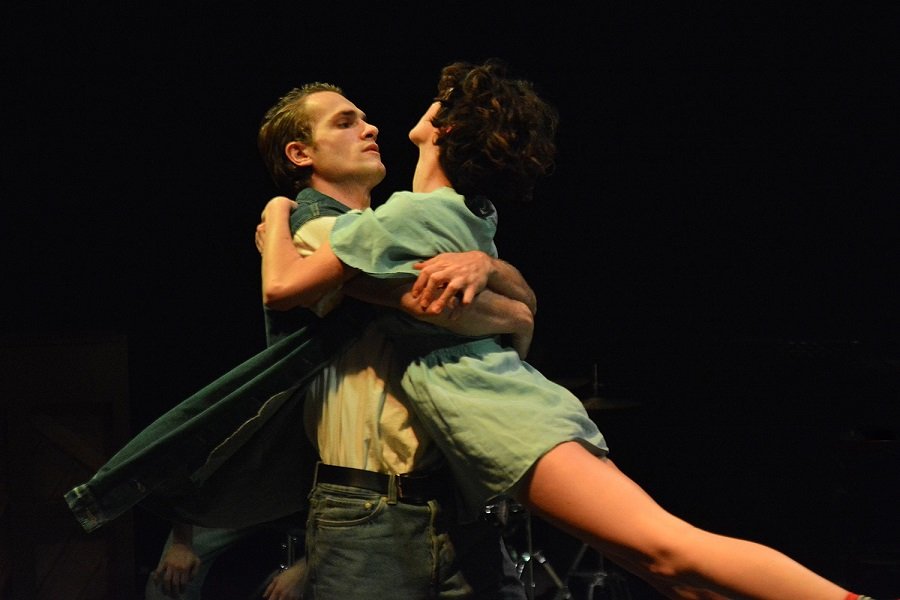
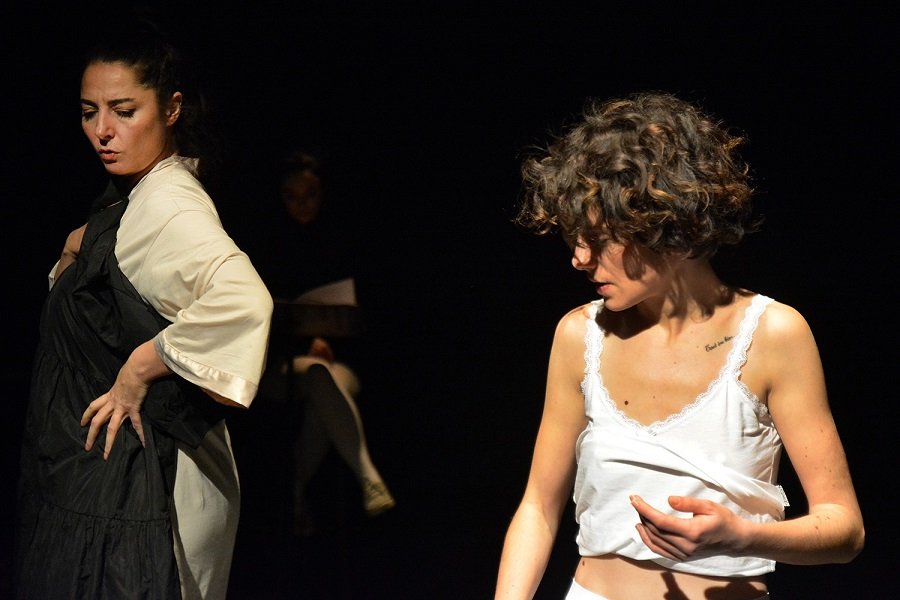
The social consequences of patriarchal heritage often form the core of Hoxha’s performances. Even when tradition imposes itself, she does not abandon her challenging mission. Art remains a means of conveying messages about protecting human rights, especially women and marginalized groups.
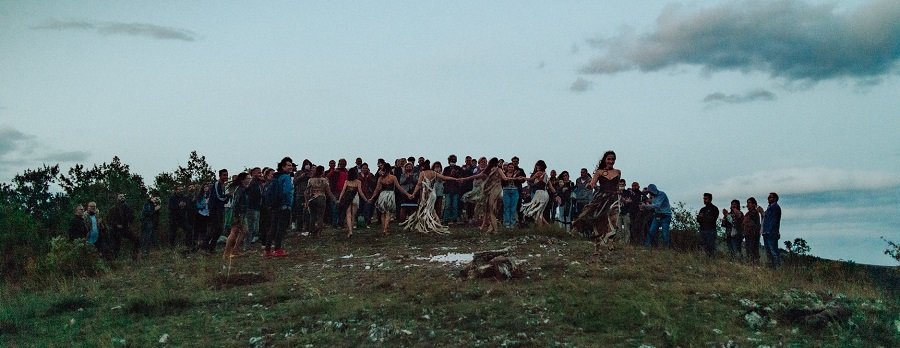
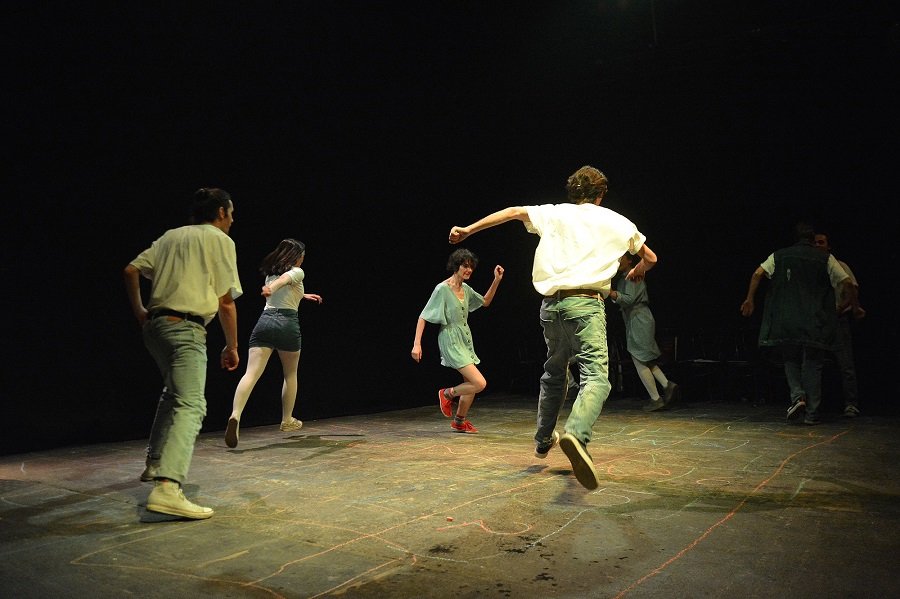
The strong presence of young people in her performances symbolizes hope for overcoming barriers — the same barriers her grandmother Hedije had once faced. Yet Zana relocates and collectivizes the struggle for equality onto the theater stage.
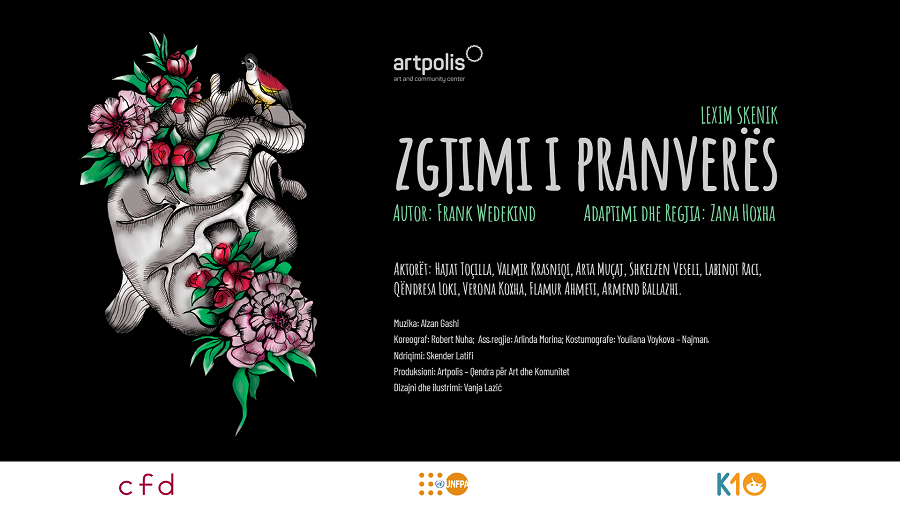
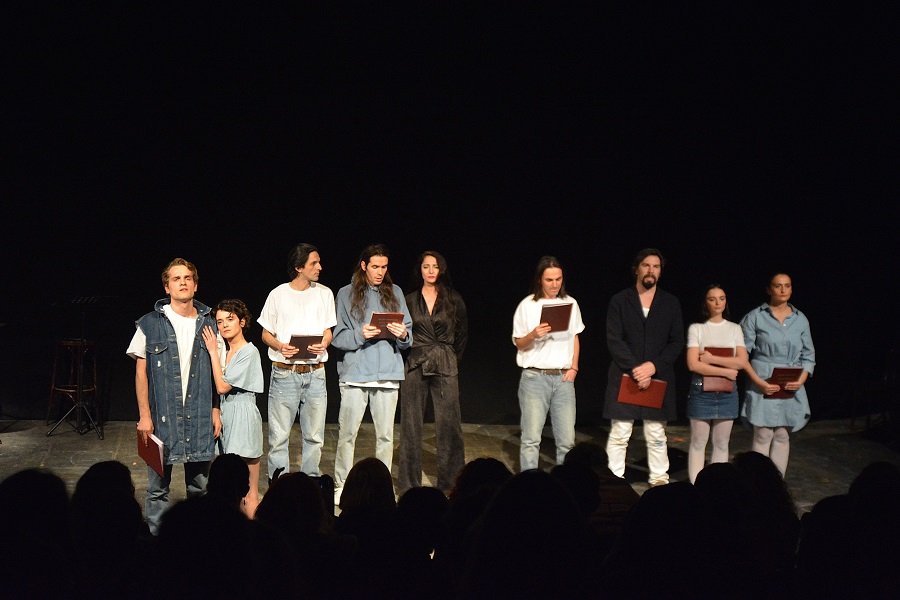
Zana Hoxha and her NGO Artpolis promote art and diversity through social dialogue and community-building. This is just one of many lessons she communicates through theater.
The circumstances of occupied Kosovo, particularly during the war in the late 1990s, deeply shaped her journey. As a teenager, she worked with international organizations in Gjakova after its destruction by Serbian forces. Through interactions with activists from different countries, she was introduced to new cultures.
She documented Serbian terror against Albanians, listening firsthand to testimonies of atrocities and different forms of violence inflicted upon innocent women and men.
“We have women who were leaders of the peaceful resistance movement in the 1990s. We have activists, women involved in protests from Prishtina to Drenica, women who joined student movements or peace movements. Yet these stories never made it to the theater,” Hoxha says.
“And I felt the need to carry this power, this line of women’s strength — women who decide for themselves and for society, for its benefit, and who never apologize for who they are. That is what I represent, not only as a leader and activist, but also as a director.”
“Strong and Sensitive”
Venera Ismaili, now part of Artpolis, had followed Hoxha’s artistic and volunteer work even before joining the organization.
“I admired her as an artist, but also as a strong woman who worked for and achieved what she wanted. She showed strength, but also sensitivity in her work. These qualities deeply impressed me and made me appreciate her as a woman. Zana is strong, but at the same time she is compassionate and stands in solidarity with those who need her support.”
“It is part of my identity,” Hoxha says. Since her student years, this combination of art and activism has always accompanied her.
Adrian Morina walked alongside Zana Hoxha from the early days at the Faculty of Arts at the University of Prishtina. Together they initiated student projects and creative ventures.
“Zana was always a dreamer, ambitious, and energetic. We started our first projects together during student exams. I remember Julius Caesar — an ambitious performance for a directing student at the time,” Morina recalls.
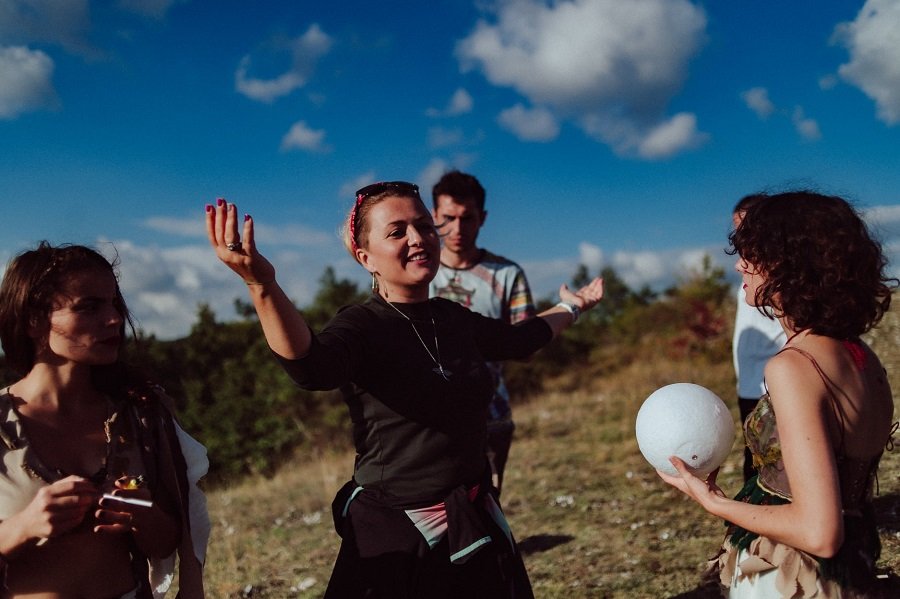
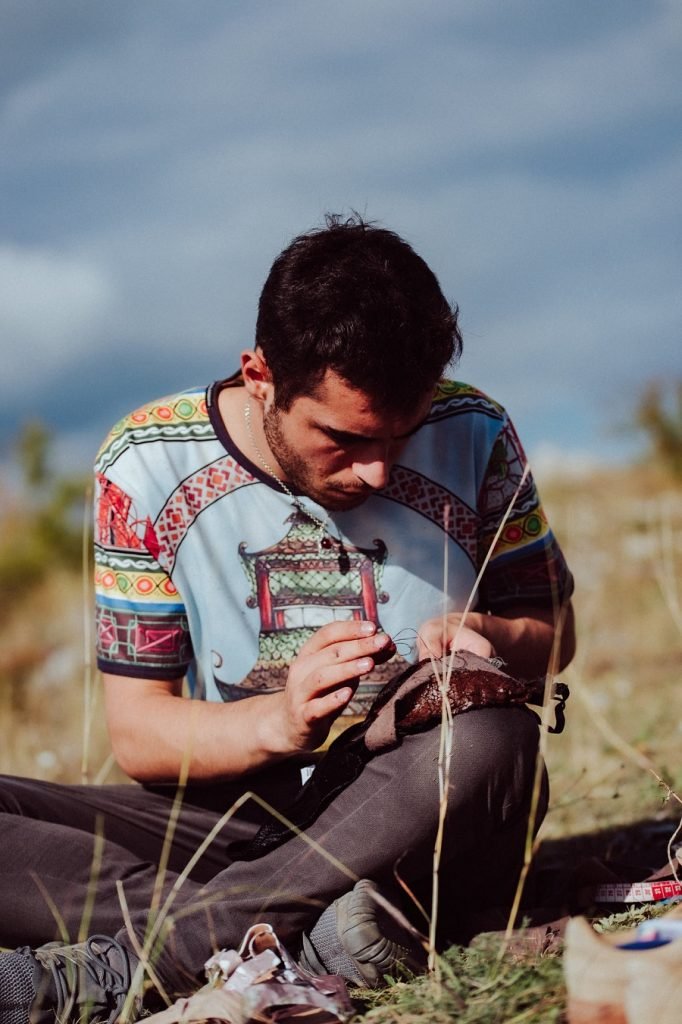
He remembers how Zana personally handled costumes, sewing and preparing them herself.
“She was always persistent in achieving work at the highest level, with tremendous love.”
The Performance That Changed Everything
In Kosovo’s year of independence, after one of her performances, Zana received recognition and encouragement from local and international activists and artists to further channel her energy into transforming theater into a public platform advocating equal rights.
“I staged a performance in 2008 and a Swedish feminist activist congratulated me. The play involved artists from across the Balkans during Kosovo’s year of independence. She told me, ‘Your art is very feminist,’ and I didn’t fully understand what she meant.”
Later she found support from activists and particularly from the Kosovo Women’s Network.
“Activists told me, ‘We need people like you in this movement.’ There I found solidarity and support for my art, which extended beyond theaters and into community work.”
A Slogan of Hope
Her work consistently connects art with civic activism.
“Solidarity with women and men most affected by COVID, solidarity with those who experienced violence, solidarity with women left without support, solidarity with women without a voice, solidarity with those who may only find freedom of communication through a television screen,” Hoxha says.
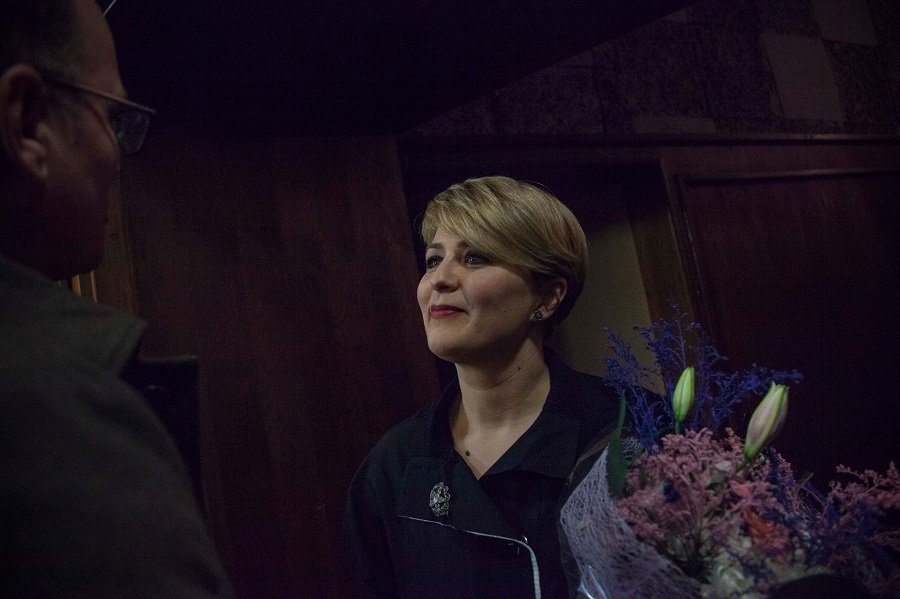
The office of the director and mother of three reflects what she calls the dual nature of her engagement: volunteer activism and art.
“My vision includes being an artist who protects human rights — a vision often opposed by certain groups. We know that women’s rights are abused in the arts. In Kosovo, very little is said about discrimination in the arts. Women face unequal pay, and there are few women leading institutions. Even when women are leaders, they are often expected to behave like men due to patriarchal expectations. There are many issues that brought me to where I am today.”
(This article was produced within the project “Human Rightivism,” implemented by Integra and supported by CDF and the Swedish Embassy in Kosovo.)























Recent Comments